
Cabomba furcata
৳300
6 units available in stock
1
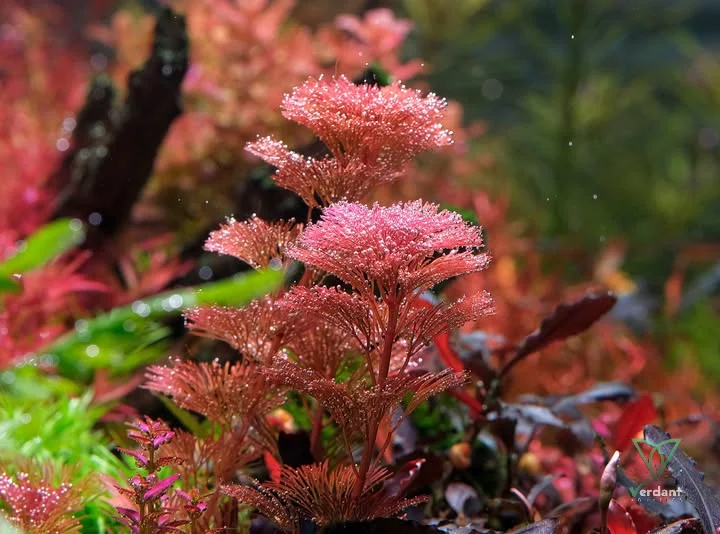
Cabomba furcata – Red Cabomba
🌿 Plant Overview
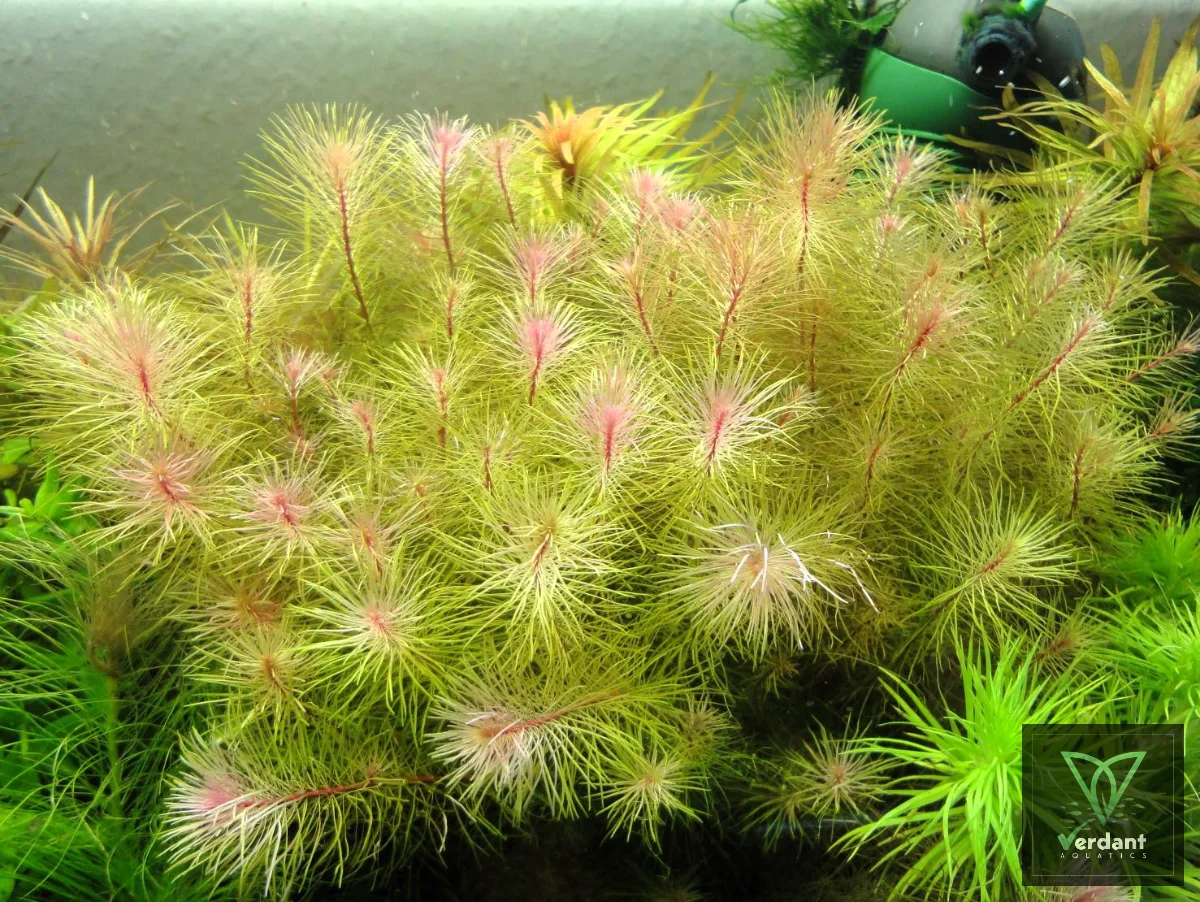
Cabomba furcata, commonly known as Red Cabomba, is a distinctive stem Plant admired for its delicate, fan-shaped foliage and striking red, copper-pink to reddish-purple tones. Its finely divided leaves create a soft, feathery texture that brings depth and contrast to carefully designed planted aquariums.
Native to tropical regions of Central and South America, this demanding aquatic Plant is best suited to high-tech aquascapes where strong lighting, stable CO₂ injection and consistent nutrient availability can support its growth and coloration.
✨ Key Features
Distinctive Red Foliage: Develops attractive red to reddish-purple tones under suitable growing conditions.
Fine Fan-Shaped Leaves: Creates a delicate, textured appearance that contrasts beautifully with broad-leaved Plants.
Elegant Vertical Growth: Ideal for creating a colourful background or midground accent.
Aquascaping Potential: Pairs well with green stem Plants and contrasting hardscape.
Stem Propagation: Can be propagated by cutting and replanting healthy stem tops.
🌱 Plant Profile
Scientific Name: Cabomba furcata
Common Name: Red Cabomba
Plant Type: Stem Plant
Origin: Central and tropical South America
Placement: Midground to Background
Difficulty: Advanced
Growth Rate: Moderate to Fast under optimal conditions
Colour: Red, copper-pink to reddish-purple
Temperature: 24–30°C
Lighting: High to Very High
CO₂: Strongly recommended; essential for reliable long-term growth in demanding setups
Water Preference: Soft, slightly acidic water
Propagation: Stem cuttings
💡 Lighting, CO₂ & Nutrition
Strong lighting is one of the most important factors in maintaining healthy growth and attractive coloration. Under insufficient light, Cabomba furcata may lose its intense colour, develop elongated stems and shed its delicate lower leaves.
Consistent pressurised CO₂ injection and balanced macro- and micronutrient fertilisation help maintain vigorous growth. Stable water conditions are equally important, as sudden changes in temperature or water chemistry can cause leaf loss or melting.
✂️ Planting & Maintenance
Plant individual stems with adequate spacing to allow light to reach the lower foliage and water to circulate between them. Avoid overcrowding, as dense bunches can shade one another and deteriorate near the base.
Trim healthy stem tops and replant them to propagate the Plant or maintain the desired aquascape height. Gentle to moderate circulation helps prevent debris from accumulating among its delicate leaves.
⚠️ Important Notes
Cabomba furcata is not recommended for low-tech aquariums or beginners seeking an undemanding stem Plant. Its fine foliage is sensitive to unstable conditions, and successful cultivation depends on maintaining appropriate light, CO₂ and nutrition.
The intensity of its red coloration varies with growing conditions; vivid colour is not guaranteed simply by increasing lighting or adding iron.
Fast Delivery Nationwide
Fast and reliable doorstep delivery across Bangladesh. Delivery charge: ৳80 inside khulna, ৳130 outside khulna.
You May Also Like
Live Plants, Mid tech plants
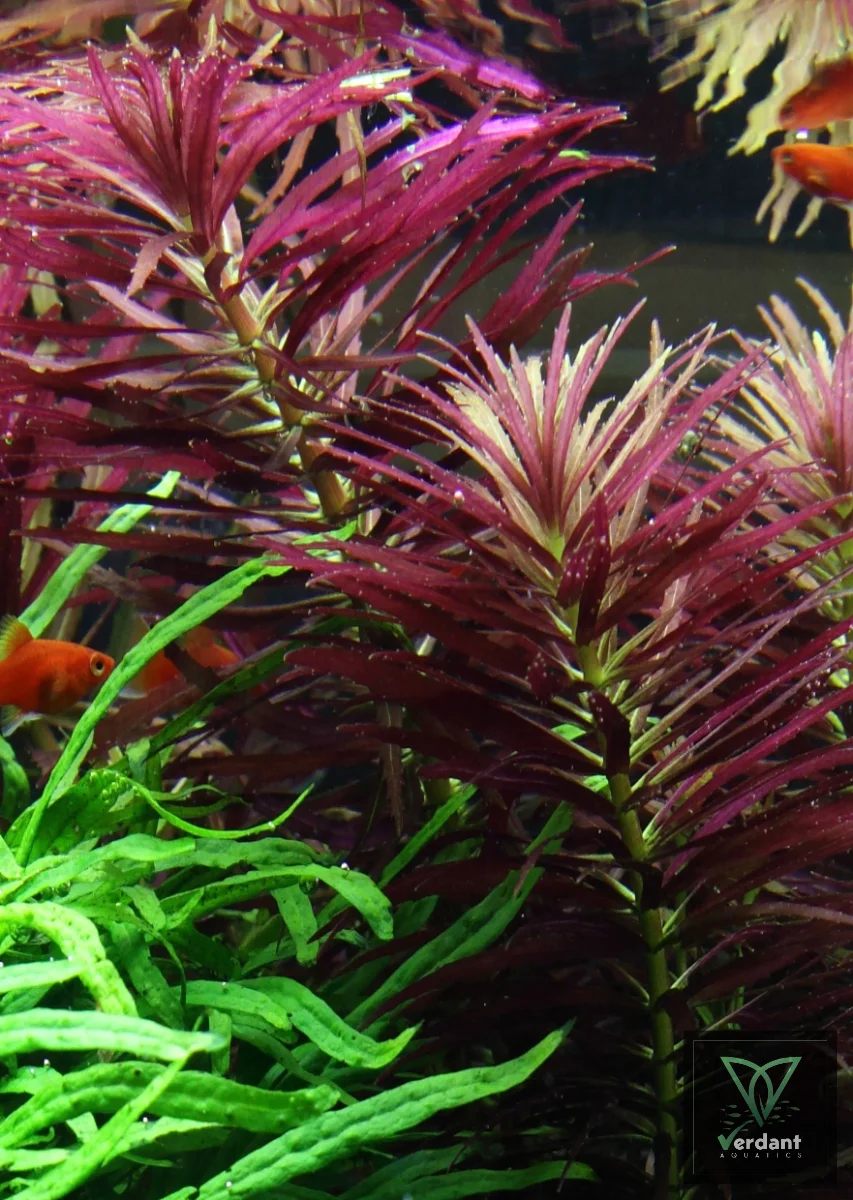
Limnophila hippuridoides
Plant profile Genus: Limnophila Species: hippuridoides Family: Plantaginaceae Origin: South East Asia Light: high - medium Temperature: 22 - 28 °C Growth rate: medium Area: Middleground Height: 20 - 40 cm pH: 5 - 8 Water hardness: soft to h…
৳250
Live Plants, Mid tech plants
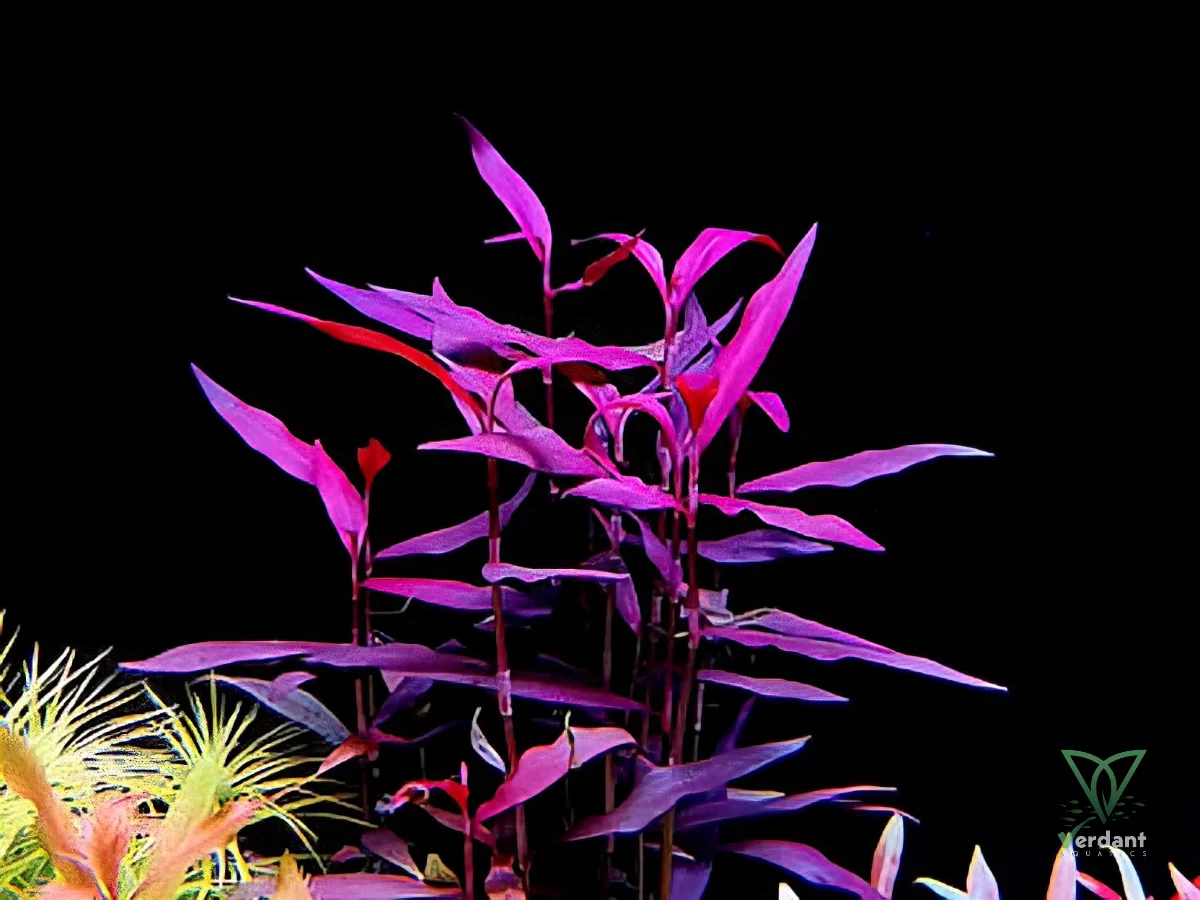
Persicaria sp. ‘Sao Paulo’
Persicaria sp. ‘Sao Paulo’ 🌿 Plant Overview Persicaria sp. ‘Sao Paulo’ is a striking stem Plant prized for its intense magenta to pink-purple coloration under suitable aquarium conditions. Originating from Brazil, this distinctive species …
৳250
High-tech plants, Live Plants, Mid tech plants
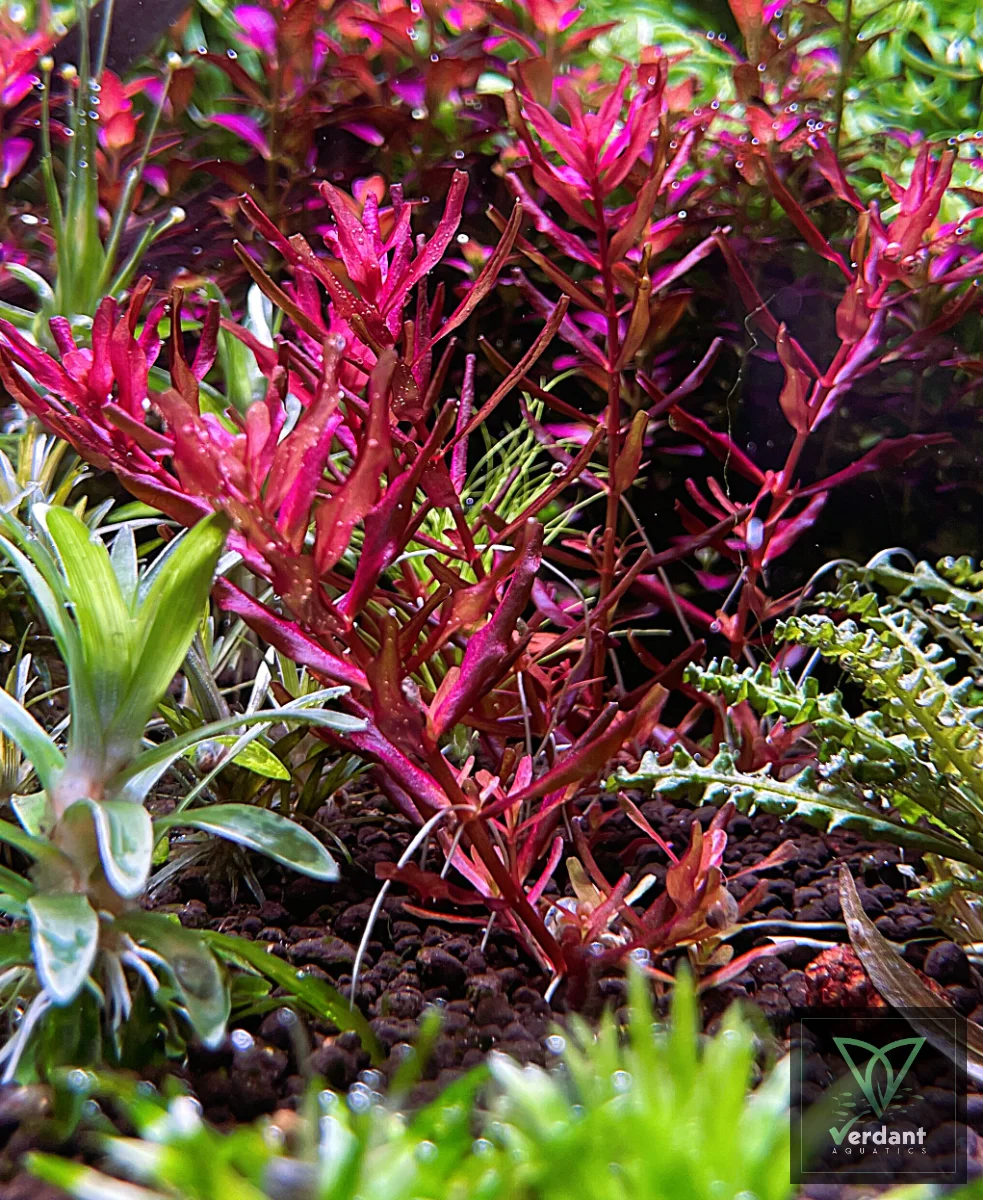
Rotala macrandra 'Yerabje
Rotala Macrandaa Yerabje is a stunning freshwater aquarium plant distinguished by its great red coloration and wrinkled leaves. Its great texture and relative ease of growth make it an ideal choice for freshwater aquariums. Note: its emerse…
৳400
Live Plants, Mid tech plants
Rotala Vietnam
🌿 Rotala Vietnam Rotala Vietnam is a delicate, fine-leaved stem plant that adds a soft and detailed texture to planted aquariums. Its slender stems and narrow foliage make it especially useful for creating depth and layering in the midgrou…
৳250